Source Portable Led Magnifying Glass for Salon, Home, and Reading
Compare 28 portable led magnifying glass options featuring LED lights, glass or plastic lenses, and various battery types. Buyers can evaluate models with concave or convex mirrors, ABS or plastic handles, and different magnification levels for salon, home, and reading applications.
Key considerations
Products List


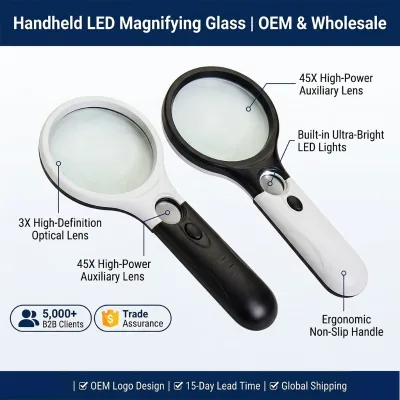
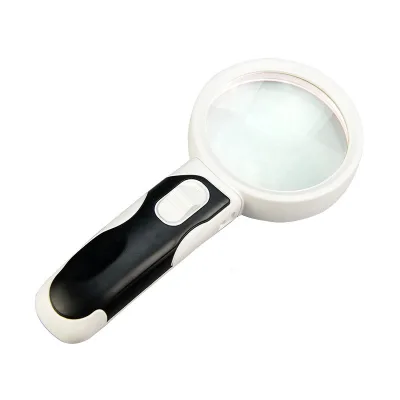
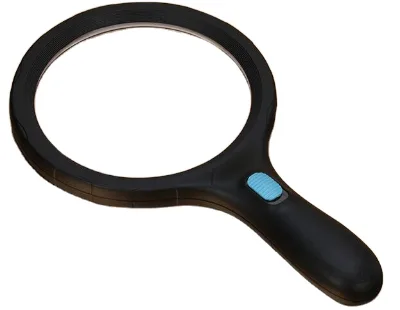


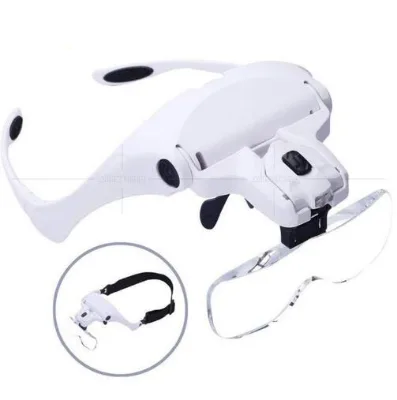
Comprehensive Sourcing Guide
Portable Led Magnifying Glass Sourcing Guide
Procuring portable LED magnifying glasses requires a clear understanding of the diverse product landscape available from manufacturers, particularly those originating from regions like China and Guangzhou. Buyers must navigate a wide array of specifications, from handheld structures with ABS or plastic handles to specialized units featuring concave or convex mirror surfaces. The observed market signals indicate a high degree of customization, with suppliers offering models ranging from simple reading aids for older adults to complex stationery kits or detector-integrated tools. This variety necessitates a rigorous vetting process to ensure the selected device aligns with specific user needs, whether for salon use, home reading, or industrial inspection tasks.
The sourcing strategy must account for significant variations in power sources, packaging, and physical dimensions. Listings reveal products powered by AAA or AA batteries, as well as USB-powered options, each presenting different logistical and operational considerations. Packaging ranges from standard cartons to premium gift boxes, directly impacting retail readiness and shipping costs. Furthermore, the presence of LED lights is a common feature, but its integration varies from basic illumination to advanced detection functions. Buyers should prioritize suppliers who provide transparent model numbers and standard dimensions, such as the 50mm or 80mm lens sizes observed, to facilitate accurate inventory planning and compatibility checks with existing accessories or display fixtures.
Product Scope and Observed Listing Signals
The current market for portable LED magnifiers exhibits a broad spectrum of functional designs, catering to both consumer and professional segments. Observed listings highlight handheld structures made from glass or plastic, often equipped with LED lights for enhanced visibility in low-light conditions. Some models are specifically marketed for older people reading, emphasizing ergonomic handles and high magnification ranges between 10x and 100x. Others serve dual purposes, combining magnification with detection capabilities, which suggests a niche application in security or quality control environments. The presence of both concave and convex mirror surfaces indicates that optical performance varies significantly, requiring buyers to verify the specific optical properties relevant to their intended use case, whether for detailed text reading or surface inspection.
Commercial signals further reveal a flexible manufacturing environment where customization is readily available. Suppliers offer various packing options, including color boxes and gift boxes, which are critical for brands focusing on retail presentation. The observed product models, such as BT-X-0208-01 and AMS series variants, suggest a standardized yet modular approach to production. Buyers should note that while some products are labeled as universal, others are tailored for specific applications like salon use or home environments. The availability of different handle materials, from ABS to plastic cement, allows for differentiation in durability and user comfort. Understanding these signals helps buyers align their procurement with specific market positioning, whether targeting budget-conscious consumers or professional users requiring robust, feature-rich devices.
Technical Specifications to Verify
When evaluating technical specifications, buyers must prioritize the verification of optical performance and power management systems. The magnification range, typically observed between 10x and 100x, is a critical factor that directly impacts usability. Buyers should confirm the actual lens diameter and focal length, as observed standards vary from 37mm to 90mm in width, with corresponding handle lengths around 18mm. Additionally, the type of light source is essential; while LED illumination is common, the battery configuration differs across models, with some requiring three AAA batteries, others two AA batteries, and some utilizing USB power cards. Verifying these power requirements ensures compatibility with user expectations and reduces the risk of returns due to power incompatibility or insufficient runtime.
Structural integrity and material composition are equally important technical considerations. The handle material, often ABS or plastic, must be assessed for durability and ergonomic fit, especially for devices intended for prolonged use by older adults. The lens material, typically glass, should be checked for clarity and resistance to scratching. Furthermore, the mirror surface type, whether concave or convex, affects the image distortion and field of view, which must be matched to the specific application. Buyers should request detailed dimension sheets for each model, such as the 80mm or 85mm standard sizes observed, to ensure proper fit within packaging and display units. Confirming these technical details prevents mismatches between product capabilities and user requirements, ensuring a successful procurement outcome.
Compliance and Safety Documentation
Safety and compliance documentation are paramount when sourcing electronic devices like LED magnifiers, particularly those involving battery power. Buyers must ensure that suppliers provide evidence of adherence to relevant electrical safety standards, although specific certification statuses like CE or RoHS should be treated as background information rather than guaranteed attributes for every listed product. It is crucial to verify that the battery compartments are securely designed to prevent leakage or short circuits, especially for models using AAA or AA batteries. Additionally, the LED components should meet general safety requirements for low-voltage electronics, ensuring they do not overheat during extended use. Requesting test reports or compliance certificates from the supplier is a necessary step to mitigate liability and ensure product safety in the target market.
Beyond electrical safety, buyers should also consider the material safety aspects of the product construction. Since handles are made from ABS or plastic cement, and lenses from glass, it is important to verify that these materials are free from harmful substances, particularly if the product is marketed for use by children or sensitive individuals. While specific material certifications may not always be listed, buyers should inquire about the sourcing of raw materials and any relevant environmental standards. Furthermore, the packaging materials, whether carton or gift box, should be evaluated for sustainability and safety, ensuring they do not contain hazardous inks or adhesives. By prioritizing comprehensive compliance documentation, buyers can protect their brand reputation and ensure that the products meet the regulatory requirements of their destination markets.
Cost Drivers and Commercial Terms
Several key factors influence the cost structure of portable LED magnifying glasses, with material composition and packaging being primary drivers. Products featuring glass lenses and ABS handles may command higher prices due to the durability and perceived quality of these materials. Conversely, plastic-based models might offer a more budget-friendly option. Packaging also plays a significant role; gift box packaging typically adds to the unit cost but enhances retail appeal, while standard carton packing is more cost-effective for bulk shipments. Buyers should analyze the trade-off between packaging aesthetics and cost, considering their target market's preferences. Additionally, the inclusion of advanced features like LED lights or detection functions can increase manufacturing complexity and cost, which should be factored into the overall budget.
Commercial terms, including minimum order quantities (MOQ) and lead times, are critical for effective supply chain planning. Observed MOQs range from 1 to 500 units, offering flexibility for both small-scale testers and large-volume buyers. However, buyers must be aware that lead times can vary, with some suppliers indicating delivery times of 30-40 days, which requires careful inventory management. Shipping methods, whether by sea or air, also impact costs and delivery speed, with air freight being faster but more expensive. Buyers should negotiate clear terms regarding payment schedules, warranty policies, and after-sales service, noting that some suppliers may not offer after-sales support. Understanding these commercial dynamics allows buyers to optimize their procurement strategy, balancing cost efficiency with supply chain reliability.
Supplier Qualification and Quality Control
Selecting the right supplier is a critical step in ensuring the quality and reliability of portable LED magnifying glasses. Buyers should prioritize suppliers who are identified as factories, as this often indicates better control over the manufacturing process and potential for cost savings. However, it is essential to verify the supplier's production capabilities, including their ability to handle customization requests and maintain consistent quality across batches. Requesting samples before placing large orders is a best practice to assess the physical quality of the product, including the clarity of the lens, the stability of the LED light, and the durability of the handle. Additionally, buyers should inquire about the supplier's quality control processes, such as incoming material inspections and final product testing, to ensure that defects are minimized.
Beyond initial qualification, ongoing quality control measures are necessary to maintain product standards. Buyers should establish clear quality acceptance criteria, including visual inspections for scratches or defects, functional tests for LED illumination and battery performance, and dimensional checks to ensure compliance with specified standards. It is also advisable to conduct periodic audits or third-party inspections, especially for large orders, to verify that the supplier adheres to agreed-upon specifications. Furthermore, buyers should maintain open communication with the supplier regarding any quality issues, ensuring that corrective actions are taken promptly. By implementing robust supplier qualification and quality control practices, buyers can mitigate risks and ensure that the products meet their expectations and customer demands.
Long-Term Procurement Checks
Sustainable procurement practices require regular reviews of supplier performance and product marketability. Buyers should track key performance indicators such as on-time delivery rates, defect rates, and responsiveness to issues. This data helps in identifying reliable partners and addressing potential supply chain disruptions early. Additionally, buyers should monitor market trends and customer feedback to ensure that the product features, such as magnification levels and LED brightness, remain relevant and competitive. If customer preferences shift towards more ergonomic designs or longer battery life, buyers must be prepared to adapt their sourcing strategy accordingly. Regularly updating the supplier database and exploring new options can also help in maintaining a competitive edge and securing better terms.
Furthermore, buyers should consider the long-term implications of product lifecycle management, including end-of-life disposal and recycling. Since the products contain electronic components and batteries, it is important to ensure that suppliers adhere to environmental regulations regarding waste management. Buyers should also evaluate the potential for product upgrades or variations, such as new models with improved features or different packaging options, to keep the product line fresh and appealing. By maintaining a proactive approach to supplier management and market analysis, buyers can ensure the long-term success of their portable LED magnifying glass procurement, balancing cost, quality, and innovation to meet evolving customer needs.
FAQs
What customization options are available for portable led magnifying glass?
Customization is available for this product line. Buyers can request specific modifications to the handle material, lens magnification range, or packaging type. The standard models offer ABS or plastic handles with LED light functions. Contact suppliers to confirm if your specific design requirements can be met within their production capabilities.
Which magnification levels are offered for handheld portable led magnifying glass?
The available magnification levels range from 10x to 100x. These handheld units feature circular glass lenses designed for detailed inspection tasks. Different models support various magnification powers to suit specific needs like reading or salon work. Ensure you select the model that matches your required viewing distance and clarity.
Can I find portable led magnifying glass with specific battery requirements?
Yes, several models operate on standard battery types including 3 AAA or 2 AA batteries. Some units also support USB power cards for alternative charging. Check the specific product model number to verify the exact power source required. This ensures compatibility with your existing power supply or travel needs.
What is the typical lead time for ordering portable led magnifying glass?
The standard delivery time is approximately 30 to 40 days. This timeframe applies to orders placed with factories in China or Guangzhou. Lead times may vary based on order volume and customization requests. Confirm the exact schedule with your chosen supplier before finalizing the purchase agreement.
How are portable led magnifying glass units typically packaged for shipping?
Packaging options include cartons, gift boxes, or color boxes depending on the model. Specific dimensions vary by product, such as 50x31x40cm for carton packing. The packaging is designed to protect the glass lens and handle during transit. Verify the packing details with the supplier to ensure safe delivery to your location.
Which materials are used to construct the portable led magnifying glass?
The lenses are made of glass while handles are constructed from ABS plastic or plastic cement. Some models feature universal designs suitable for various applications like home or salon use. The combination of durable materials ensures longevity and clear vision. Check the specific product specifications to confirm the material composition for your intended use.
What functions do the portable led magnifying glass units provide?
These units primarily provide LED lighting to enhance visibility during use. Some advanced models also include detector functions for additional utility. The circular shape and handheld structure make them easy to maneuver. Select a model based on whether you need basic magnification or additional detection capabilities.